

Adventure
Fall in Whistler: Top Activities & Things to Do
From scenic hikes and mountain biking to dining, cultural experiences and cosy spa days, discover the best things to do in Whistler this fall....
Activities
Your Guide to Snowboarding & Skiing in Whistler
There are some things that are just quintessentially Canadian: maple syrup, hockey, polite people, and amazing scenery. Add snowboarding and skiing in Whistler Blackcomb to the list. Not only is hitting the slopes on B.C.’s best runs one of the best things to do in the country, but it’s also one of the best experiences to be had anywhere in the world.
The slopes of Whistler Blackcomb are highly sought after by dedicated and novice snowboarders and skiers alike, and for good reason. The varied terrain, wide range of hills for all skill levels, pristine powder and incredible atmosphere – from the slopes to the apres ski scene – all make Whistler Blackcomb one of the world’s premiere ski and snowboarding destinations. And the scenic beauty of the surrounding Rocky Mountains, with their snow-capped peaks and iconic evergreens, will make a snowboarding trip or skiing trip to Whistler Blackcomb a postcard-perfect memory, beyond the ski resort.
Let’s take a closer look at what you’ll find on your next visit.
Whistler Blackcomb: An Overview
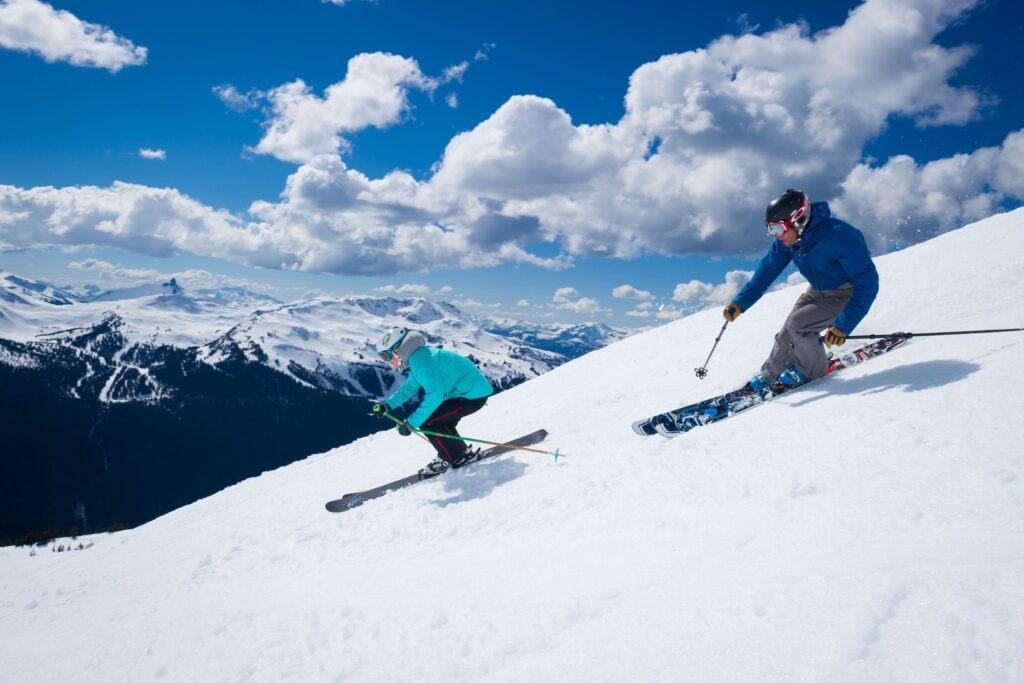
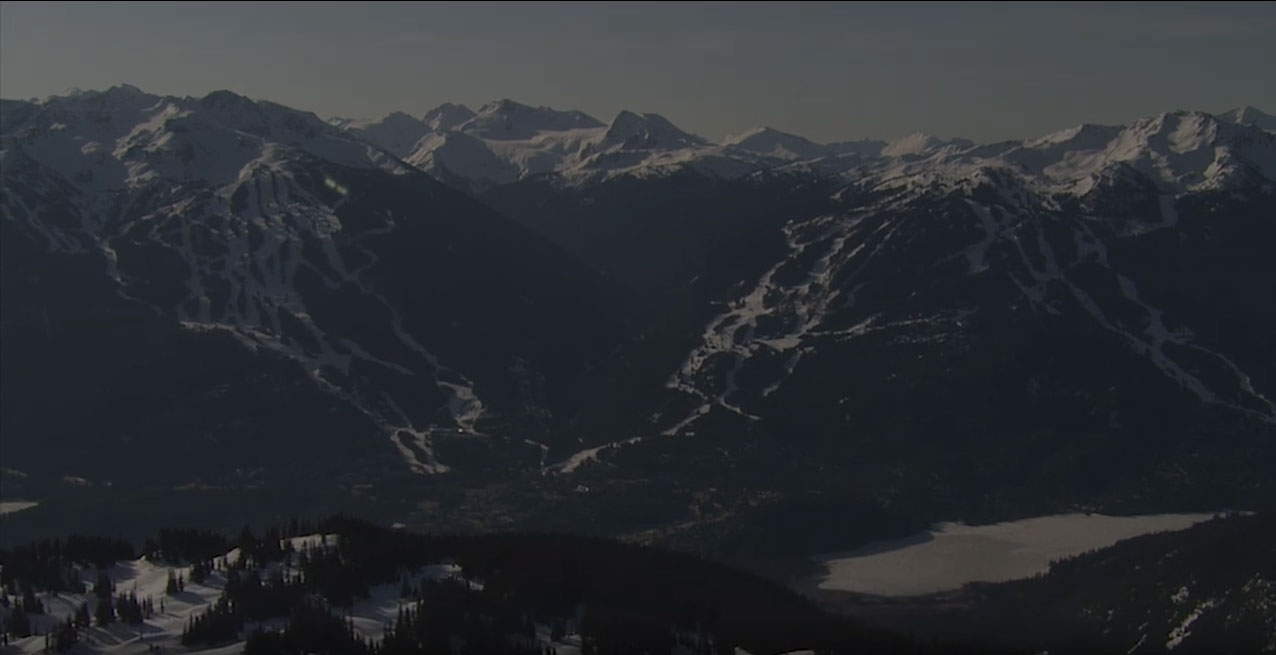
When it comes to mountain runs, it’s not the quantity but the quality that counts. But at Whistler Blackcomb, you get both: Whistler and Blackcomb are two side-by-side mountains that together cover a remarkable 8,171 acres, making Whistler Blackcomb it the largest ski resort in North America. Between the two of them, the mountains comprise more than 200 marked runs, 16 alpine bowls and 3 glaciers.
There is some difference in terrain, size and elevation between the two mountains. Whistler Mountain is 2,182 m high at its top elevation, featuring 4,757 acres of skiable terrain, which is split between beginner, intermediate and advanced runs (20% / 55% / 25%). There are a total of 19 lifts on the mountain, including the famous Peak 2 Peak gondola, which connects Whistler to Blackcomb. There are 2 parks, and the longest run – the Peak to Creek – spans 11 scenic kilometres.
Blackcomb Mountain, meanwhile, is 2,284 m high at top elevation, and its 3,414 acres of skiiable terrain is split 20-50-30 between beginner, intermediate and advanced runs. Blackcomb has 12 lifts, and its longest run, like Whistler, is 11 kilometres. Snowboarders visiting Whistler Blackcomb will typically want to start on the Whistler side, by travelling up the mountain via the Whistler Village Gondola. Once at the top, snowboarders can choose to head over to Blackcomb via the Peak 2 Peak.
Whistler Blackcomb is not only an ideal mountain getaway for snowboarders for its varied terrain, providing tons of options for riders of all skill levels, but for its relatively mild weather and good snow reliability. The temperature rarely dips below -10, and the resort gets an average of 10.8 metres (that’s 426 inches) of snow per year! And for times of the season when precipitation is not on riders’ side, Whistler Mountain and Blackcomb Mountain have powerful snowmaking capabilities, with the ability to cover 315 and 382 acres, respectively. However, conditions-wise, the mountains tend to see a wide spectrum of weather, which can include dense fog. On low-visibility days, Blackcomb has the best runs.
The apres ski scene, too, is worth a visit. Whistler Mountain and Blackcomb Mountain have nine on-mountain restaurants apiece, with a variety of cuisines – and fantastic beverages – for all tastes.
How Long Does Whistler Snowboarding & Ski Season Last?
Whistler snowboarding season usually begins in late November, and lasts until late April. Mountains are open for daily operations during this period. Spring skiing and snowboarding will typically take place at one of the mountains until May.
Key Attractions for Snowboarding & Skiing in Whistler in Winter
As the largest ski resort in North America, Whistler Blackcomb definitely has size on its side The two mountains have a combined 8,171 acres of skiable terrain, which means not only a number of runs to choose from, but also great variety of sights and landscapes to take in as you coast (or zoom) down the mountainside. And with so much to choose from, Whistler Blackcomb is not only ideal for seasoned snowboard pros looking to take on the thrill of a big-mountain slope, but for riders of all skill levels: there are plenty of beginner runs, and also many opportunities to learn how to snowboard (or ski) right on site! More on that later…
When it comes to terrain, those looking to get a little closer to Whistler Blackcomb’s beautiful evergreens (at a safe distance, of course) can try out the many tree runs on either of the mountains, zip down stunning high alpine bowls, or meander along the mountains’ many long groomed runs.And speaking of the landscape, the gondola rides themselves will give snowboarders a front-row seat to the majesty of British Columbia’s Rocky Mountains – on bluebird days, the view is almost as good as the pow.
The stellar slopes of Whistler Blackcomb play a close second to the action off the slopes. On the mountains and around Whistler Village, you’ll find a variety of attractions, activities, restaurants, bars, cafes… You name it! From hiking a gorgeous Rocky Mountain trail, tucking into a gourmet meal, enjoying an afternoon shopping or embarking on a heli-ski adventure, there’s plenty to do off the slopes in Whistler in the winter. And if you visit near the end of the season, be sure to catch the World Ski & Snowboard Festival, running from April 4-14.
Learn to Snowboard in Whistler
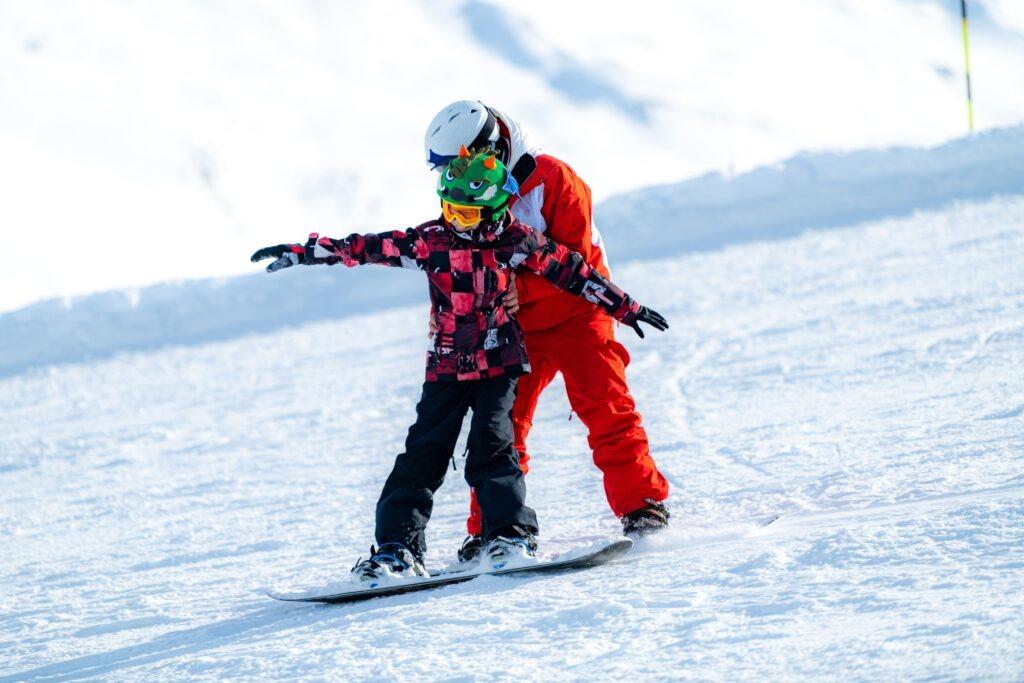
Whether you’re a complete beginner or looking to sharpen your skills, you can count on the experienced instructors at Whistler Blackcomb to help you enjoy the slopes.
At Whistler Blackcomb, there are three class options available: child group lessons, adult group lessons or adult private lessons. In all three cases, students can choose from beginner, intermediate or advanced lessons, depending on their skill level. Experienced, enthusiastic snowboarders will teach basic skills, go over important safety considerations and be on hand to offer support and answer questions. (Please note: All lessons must be booked in advance!)
Child lessons: Offered to snowboarders aged 5-12, classes include a hot lunch. These lessons are designed to introduce children to the sport, and inspire a lifelong love of hitting the slopes.
Adult group lessons: Offered to snowboarders aged 19 and up. These classes are either half-day lessons (2.5 hours) or full-day lessons (5 hours), and students will be grouped according to skill level.
Private lessons: Great for solo travellers or families! Lessons can be booked for small groups of up to five people.
Ski Passes in Whistler
If you want to hit the slopes, you’re going to need a few tickets. Here’s what to book:
7 Travel Tips for Snowboarders & Skiiers in Whistler
Concluding Thoughts
Whether you’re an experienced snowboarder or looking to hit the slopes as a skier for the first time, few places in the world offer a more diverse, welcoming, and downright beautiful experience than Whistler Blackcomb. From the slopes to the apres-ski, your Whistler snowboarding experience will be one for the books. Speaking of books—book today!
From scenic hikes and mountain biking to dining, cultural experiences and cosy spa days, discover the best things to do in Whistler this fall....
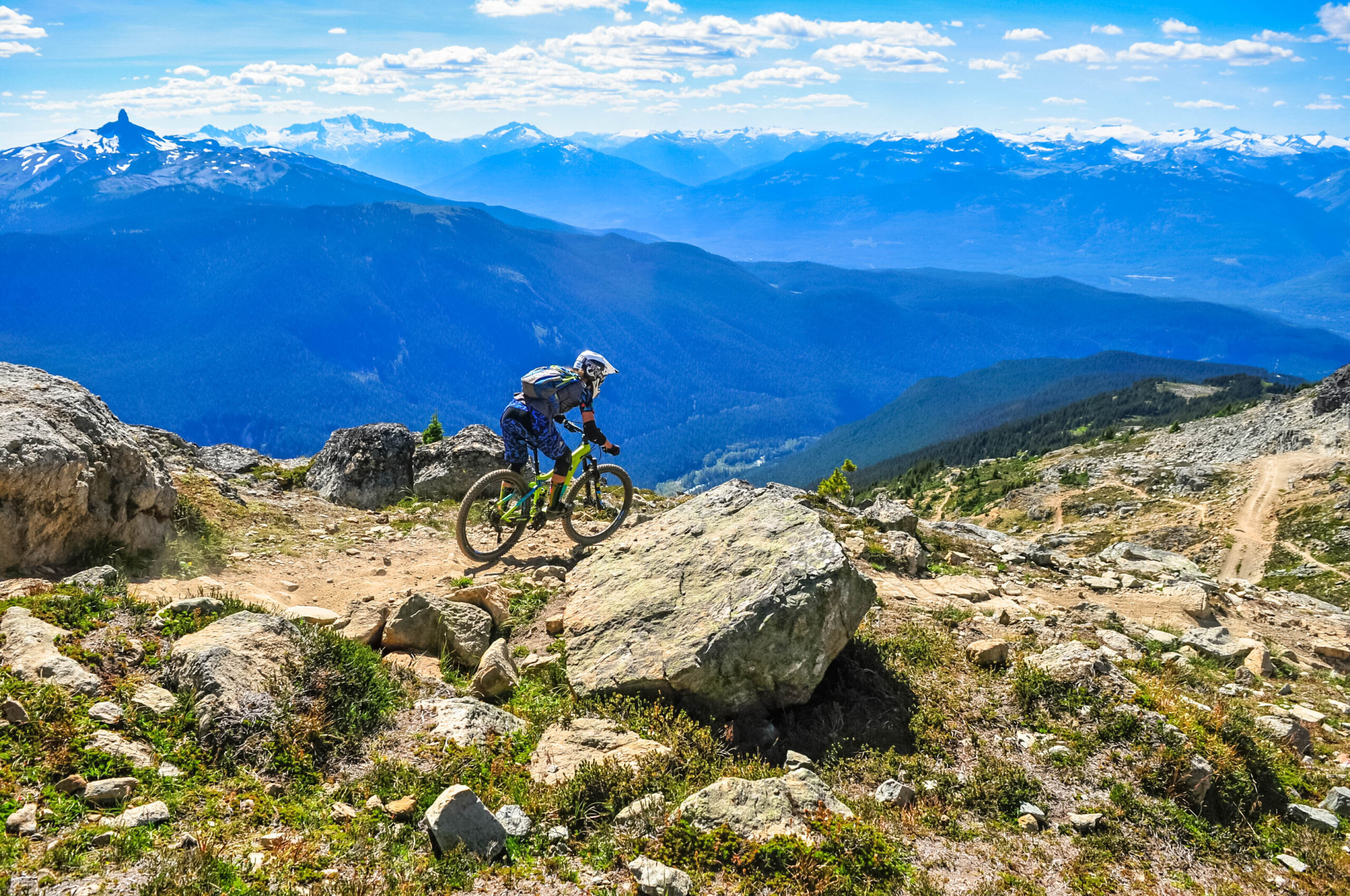
Whistler is a haven for mountain bikers in the spring and summer months. When summer takes hold, the alpine village transforms into a vibrant biking mecca and draws riders from across the globe. This is due to the extensive network of trails, heart-pounding...
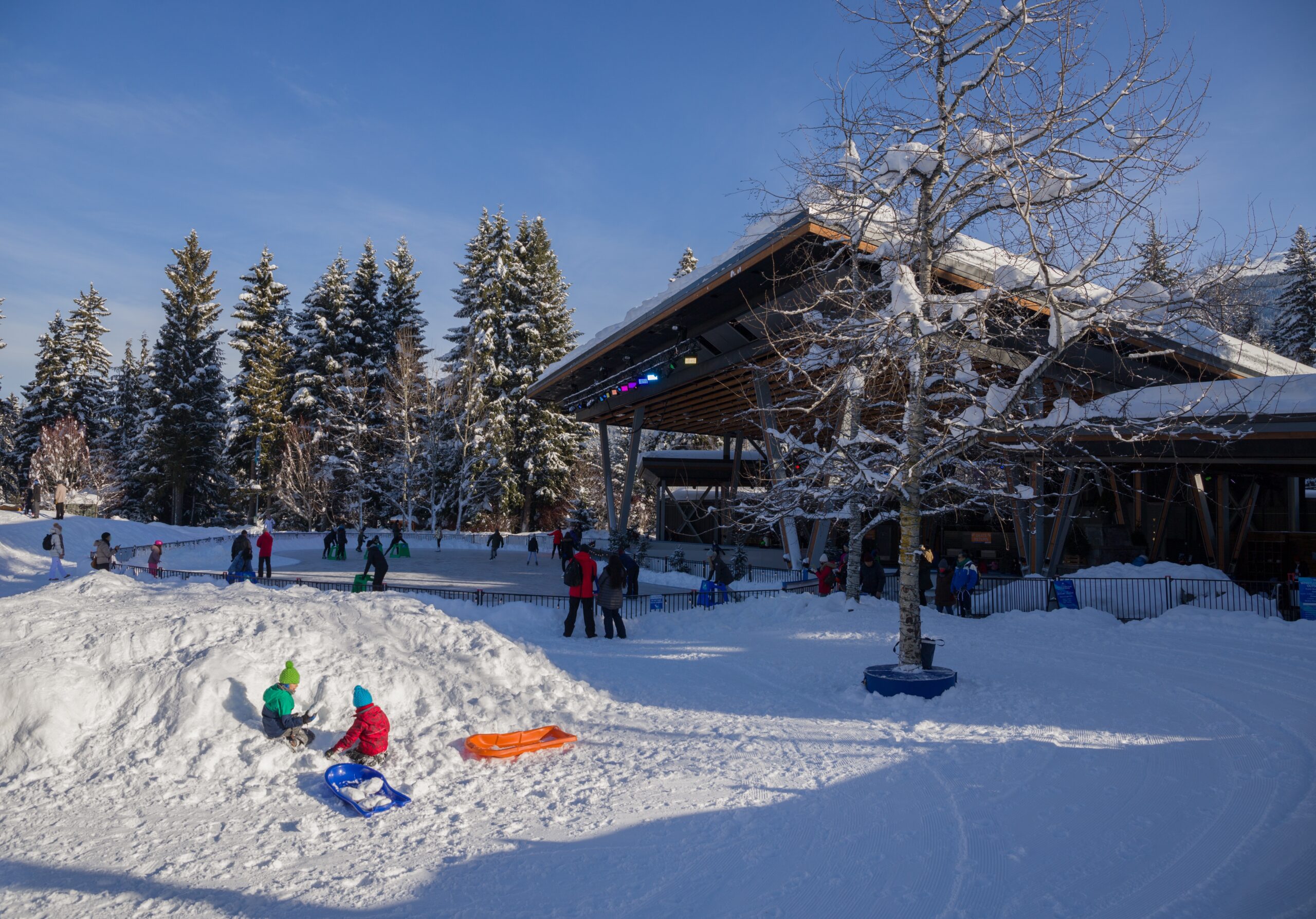
Whistler, BC, is one of the top destinations in North America. If you’re visiting in winter for skiing and snowboarding or in summer for hiking and mountain biking, Whistler offers plenty of adventures for families of all ages. Why not imagine staying in a...

From $201.00 CAD / night
From $156.00 CAD / night
From $116.00 CAD / night
From $116.00 CAD / night
From $352.00 CAD / night
From $146.00 CAD / night


