

Adventure
Fall in Whistler: Top Activities & Things to Do
From scenic hikes and mountain biking to dining, cultural experiences and cosy spa days, discover the best things to do in Whistler this fall....
Activities
The Best Hikes In Whistler
Whistler, British Columbia, is renowned for its winter sports and as a haven for hikers and outdoor enthusiasts. Beyond the slopes, this destination offers a variety of trails that beckon travellers with promises of alpine vistas, lush forests, and serene lakes. From the gentle banks of Lost Lake to the rugged paths leading to the Black Tusk’s pinnacle, Whistler is a year-round playground for those who seek to reconnect with nature and challenge their limits.
Hiking in Whistler: Our Overview
Diversity of Trails
The Whistler hiking trails range from leisurely walks that meander along crystal-clear lakes to arduous treks up steep mountain grades. Each path offers a unique encounter with the wild, unspoiled beauty of the Coast Mountains. Highlights include majestic peaks like Whistler Mountain and Blackcomb and the serene Garibaldi Lake, known for its stunning turquoise waters fringed by towering pines.
Detailed trail maps are crucial for navigation and planning. Resources like the All Trails Whistler website or dedicated hiking apps provide comprehensive guides that help hikers choose trails based on difficulty, duration, and scenic views.
Featured Hikes in Whistler
Easy Hikes
Lost Lake Nature Trail
Moderate
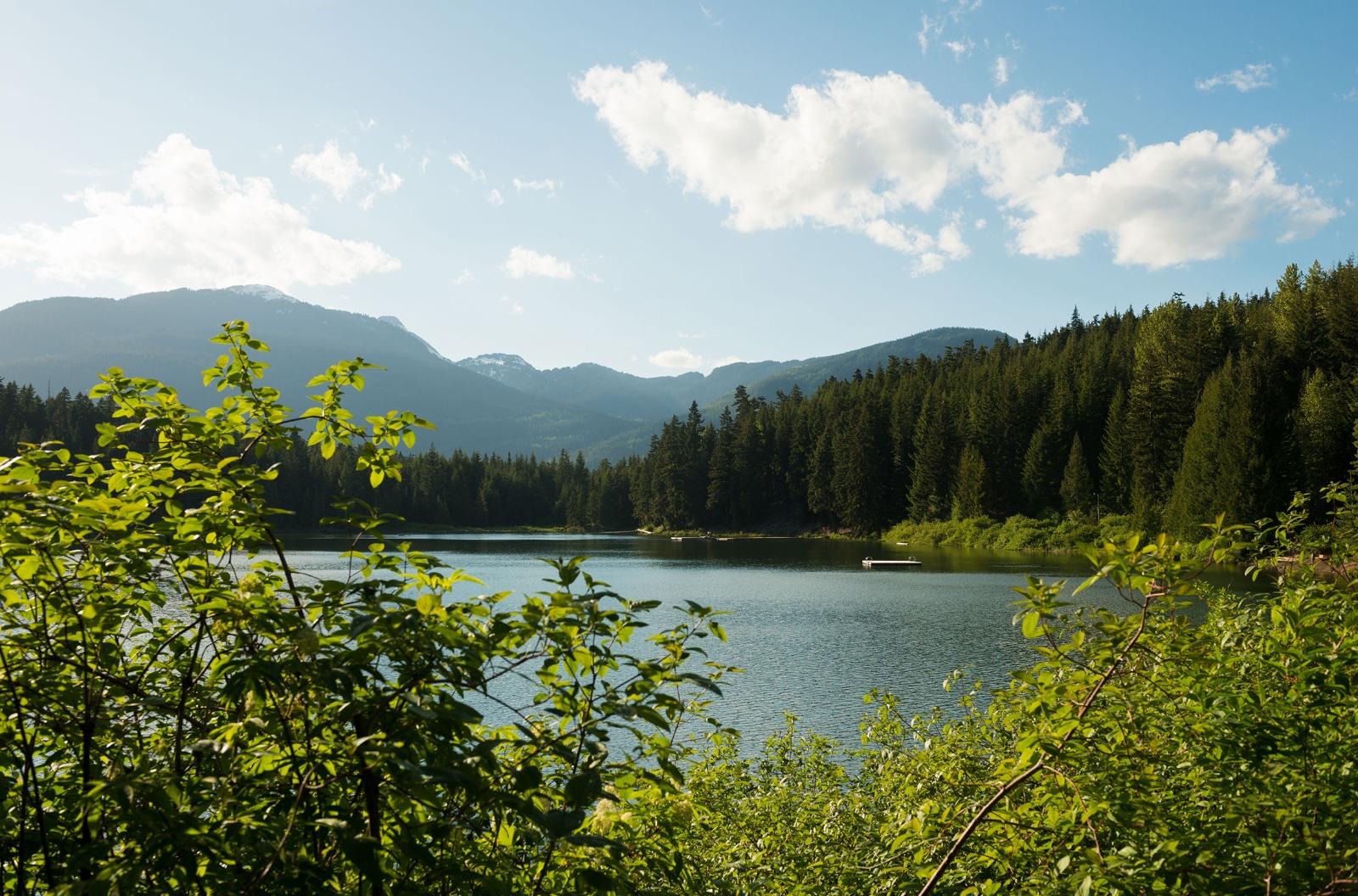
This accessible 5-km loop is perfect for a family outing or relaxing stroll. The trail is surrounded by dense forest and offers excellent views of the Whistler and Blackcomb mountains. It also features picnic areas along the lake’s edge.
Valley Trail
Easy
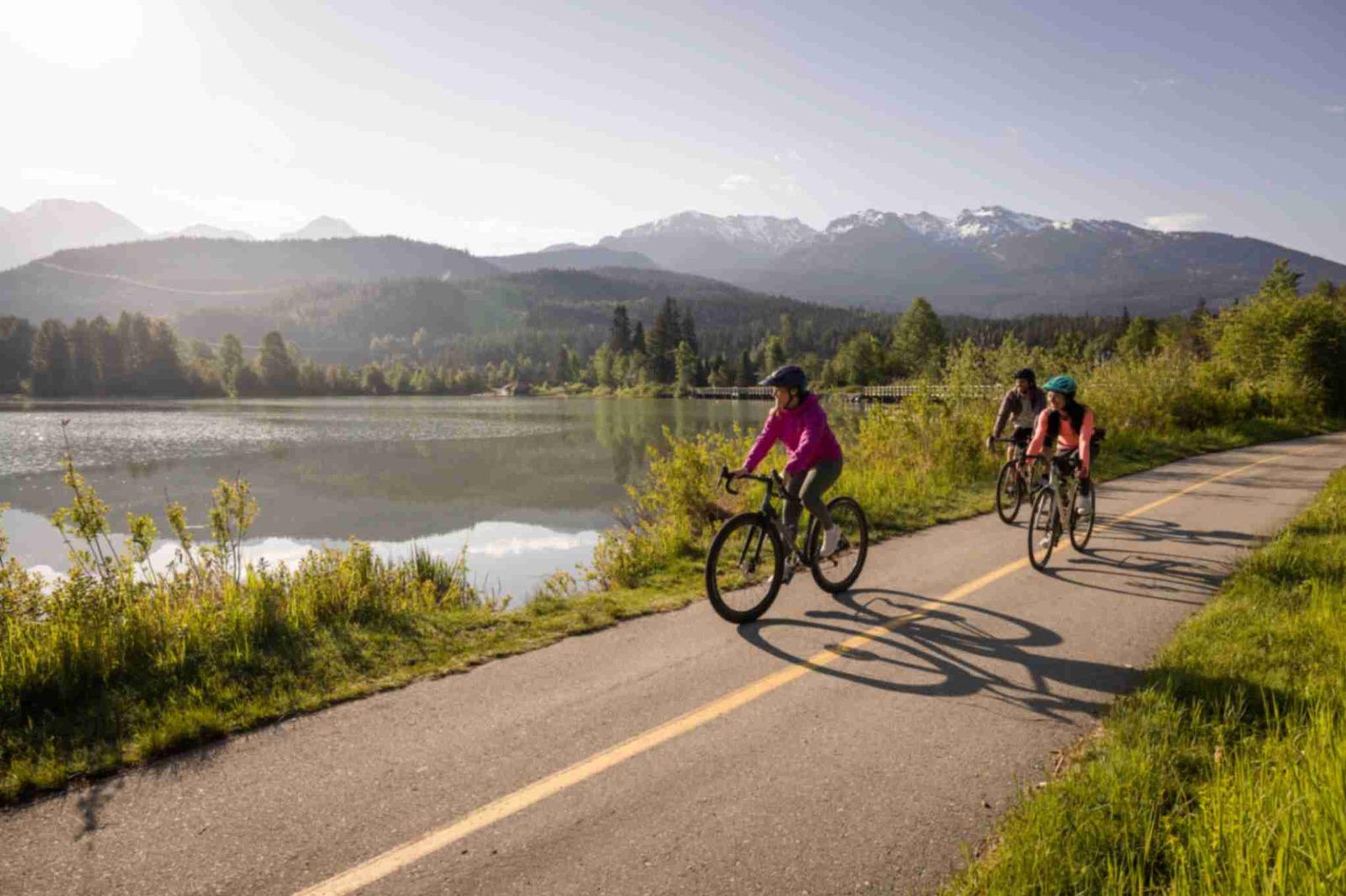
A comprehensive network that links Whistler’s neighbourhoods, beaches, and parks. This 46 km trail is perfect for visitors who want a gentle walk or bike ride with ample opportunities to stop, shop, and dine.
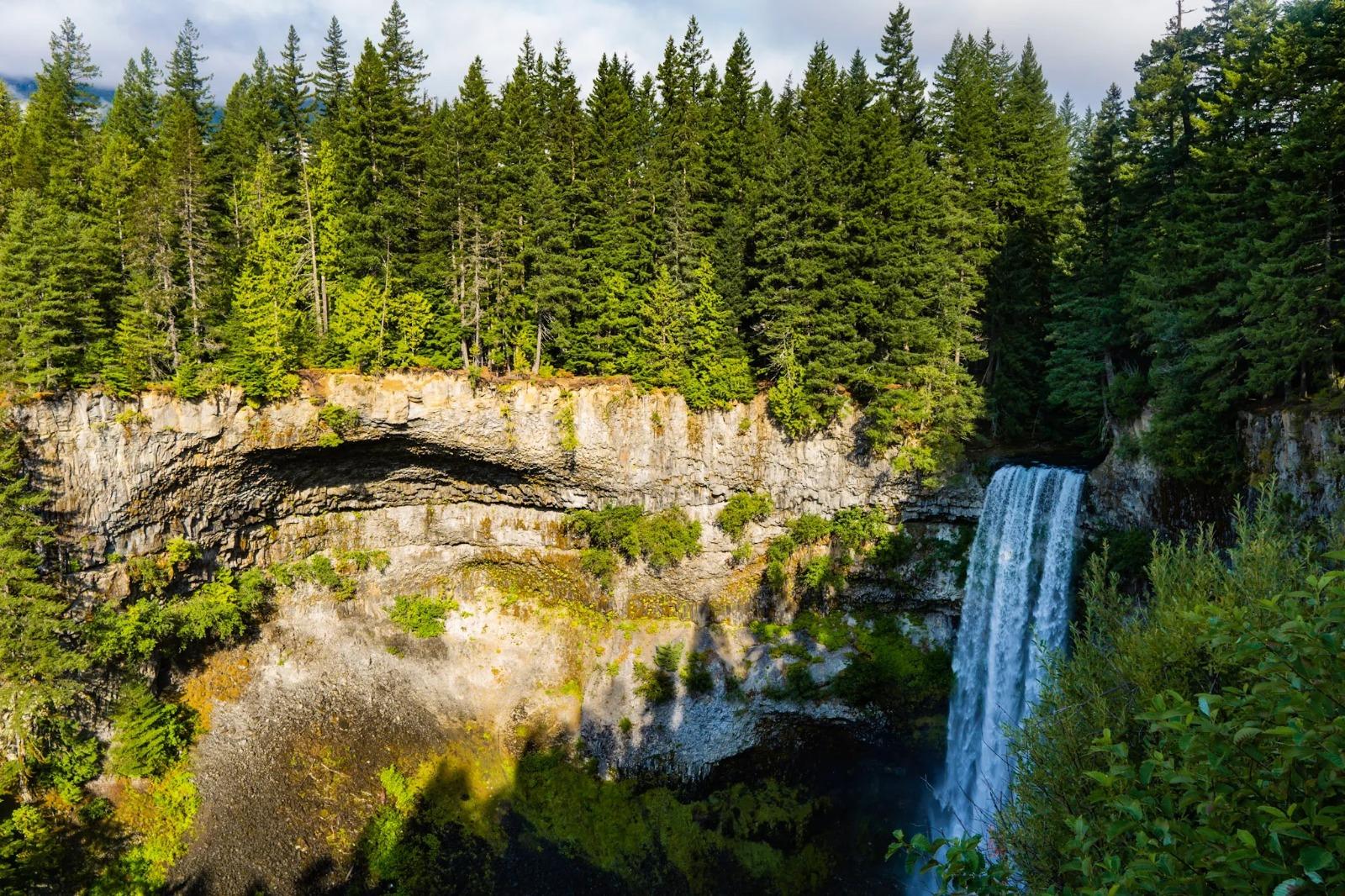
Brandywine Falls Viewpoint Trail
Easy
This is the most popular and accessible trail in the park. It’s a short, easy walk that leads to a spectacular viewpoint overlooking the 70-meter-high Brandywine Falls, which dramatically cascades into a cavern below. This trail is suitable for all ages and fitness levels.
-2A557DC4-439F-47BF-AA720626842D8569.jpg)
Ancient Cedars Trail
Easy
Tucked away just north of Whistler Village, the Ancient Cedars Trail offers an enchanting walk through a pristine old-growth forest. This 5.1-km loop trail is an easy, family-friendly hike that leads to a grove of massive cedar trees, some of which are several hundred years old. The trail is well-marked and features several interpretive signs that provide information about the local ecology, making it not only a peaceful hiking option but also an educational experience.
Moderate Hikes
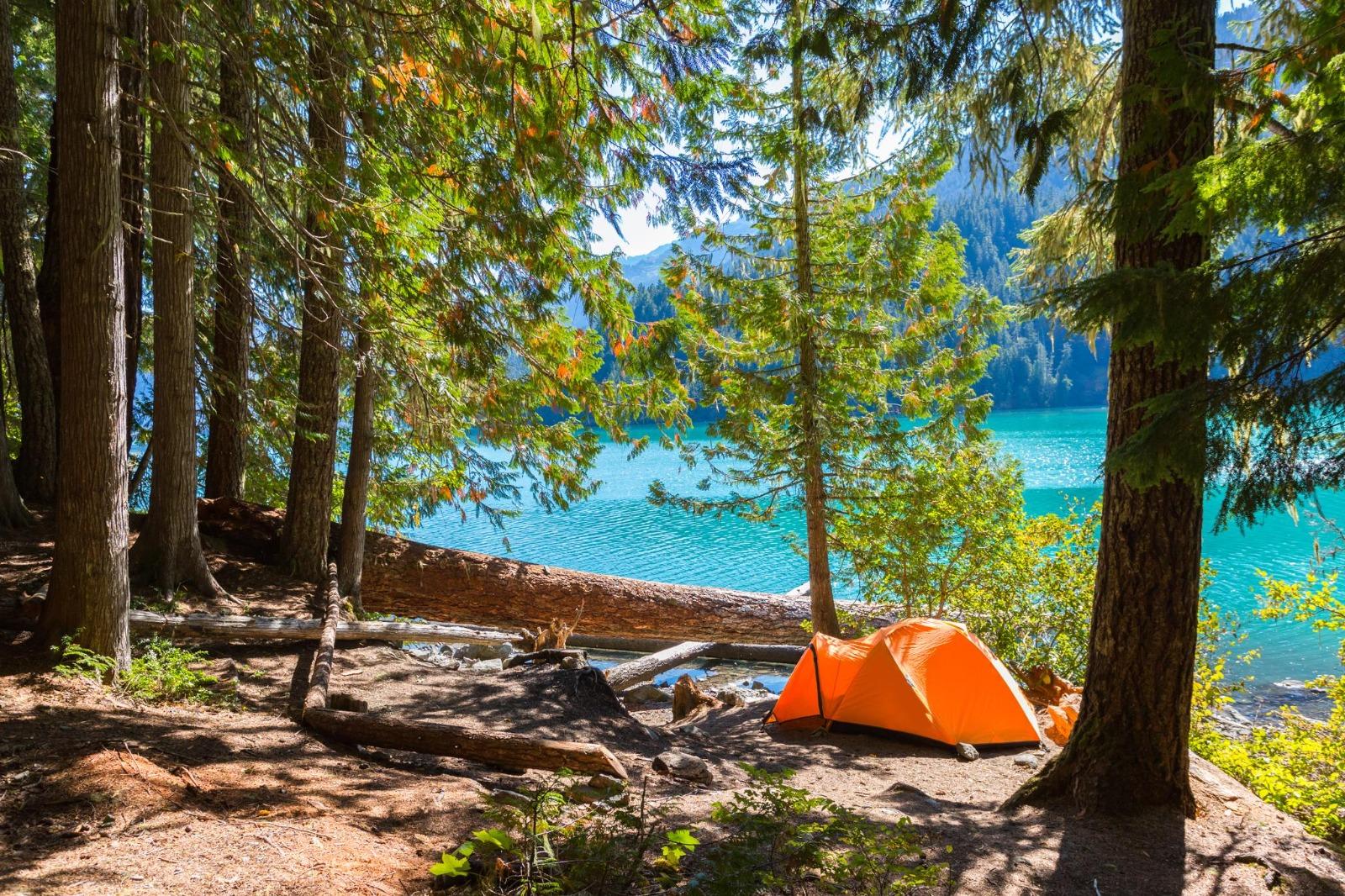
Cheakamus Lake Trail
Moderate
A relatively flat trail that rewards hikers with stunning views of the lake framed by the rugged peaks of the Coast Mountains. It’s an 8-km trek to the lake and back, suitable for those with a moderate fitness level.
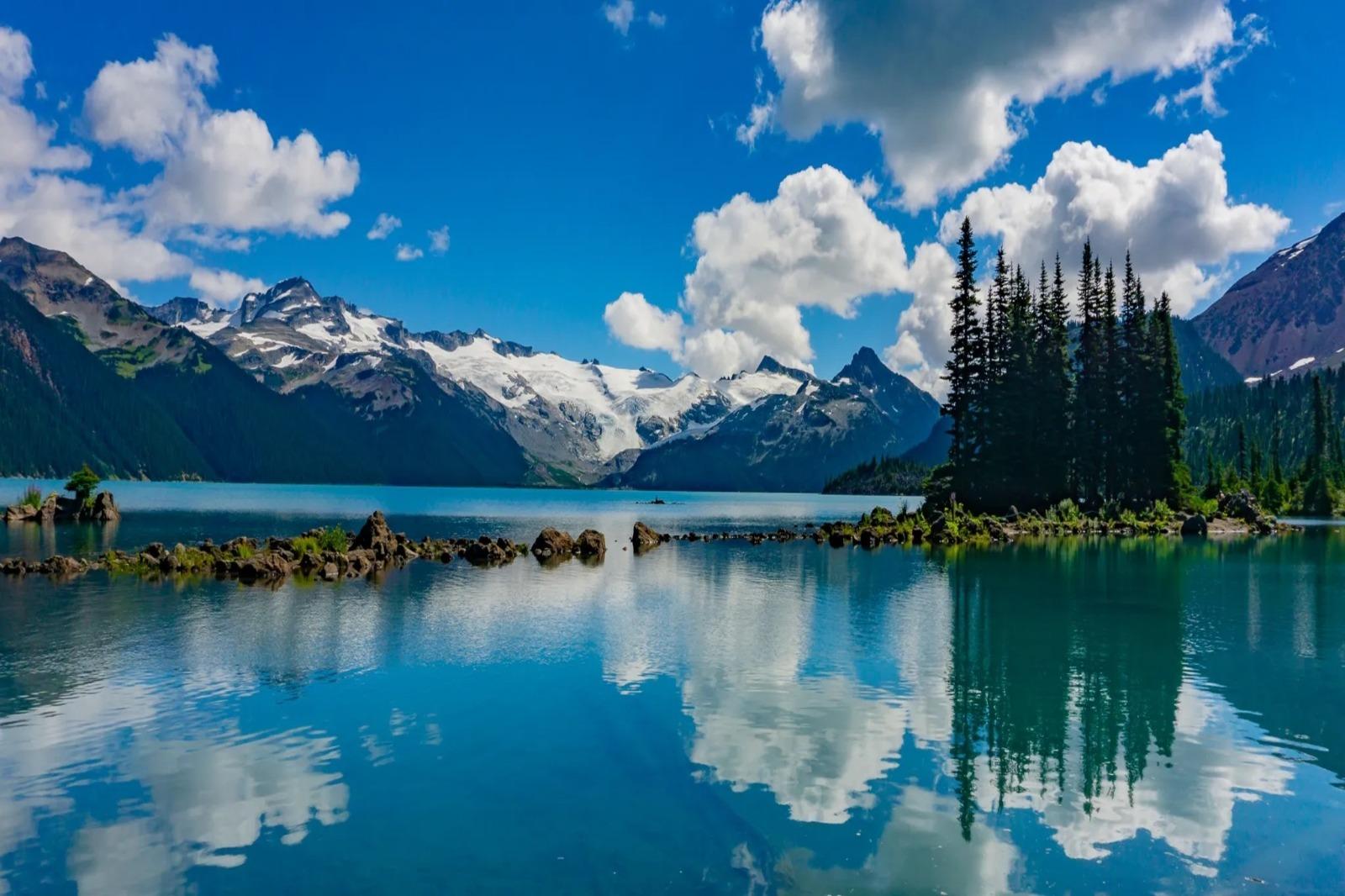
Garibaldi Lake Trail
Moderate
Although more challenging, this 18-km round trip is worth the effort. The path climbs steadily to the glacially-fed Garibaldi Lake, whose brilliant blue waters offer a mesmerizing sight against the backdrop of snow-capped mountains.
-F0D48FFA-BB03-4ED5-8A515F4A480670A3.png)
Crater Rim Trail
Moderate
Located near Whistler, the Crater Rim Trail offers a moderately challenging hike that circles the rim of an ancient volcanic crater, providing hikers with unique geological insights and panoramic views. The trail is well-marked and covers diverse terrain, including forested areas and rocky outcrops, making it a rewarding experience for those interested in geology and nature.
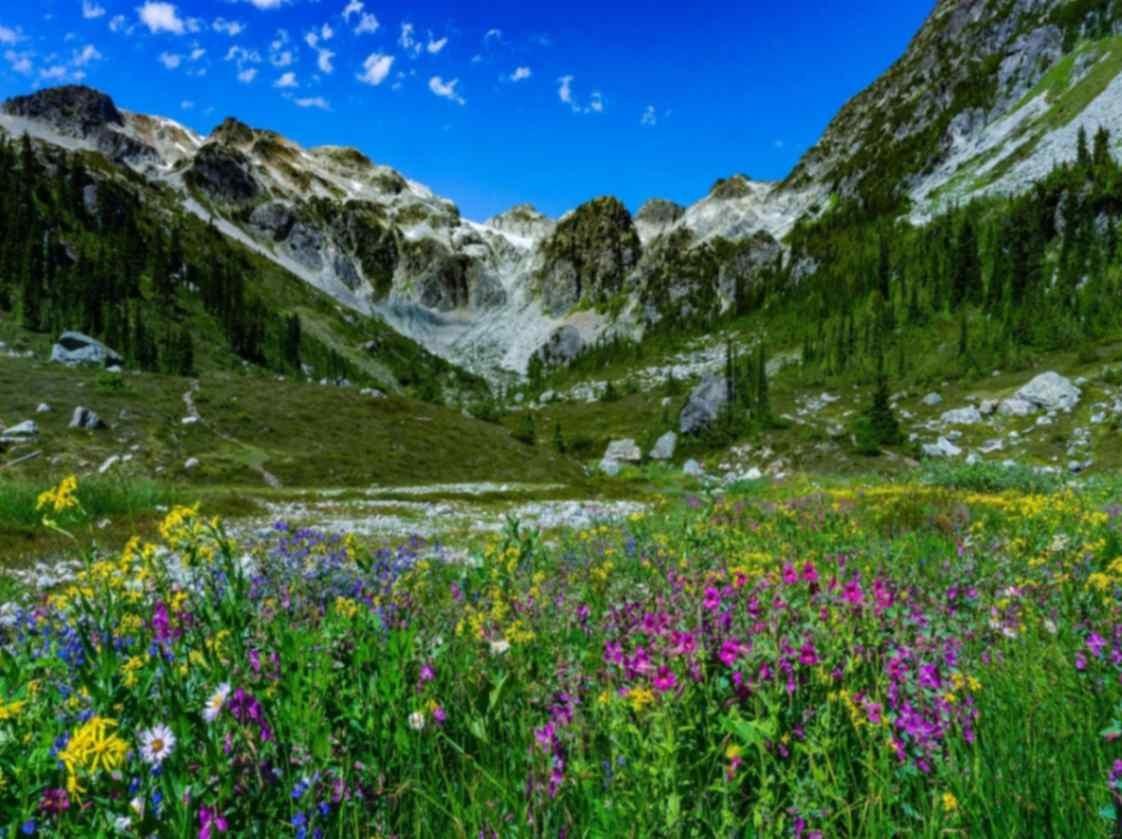
Brandywine Meadows Trail
Moderate
Located in the Callaghan Valley near Whistler, Brandywine Meadows Trail offers a moderately challenging hike that ascends through dense forest before emerging into the stunning alpine scenery of Brandywine Meadows. The trail, approximately 6 km, requires navigating some steep sections, making it a rewarding trek for those with a moderate fitness level.
Challenging Hikes
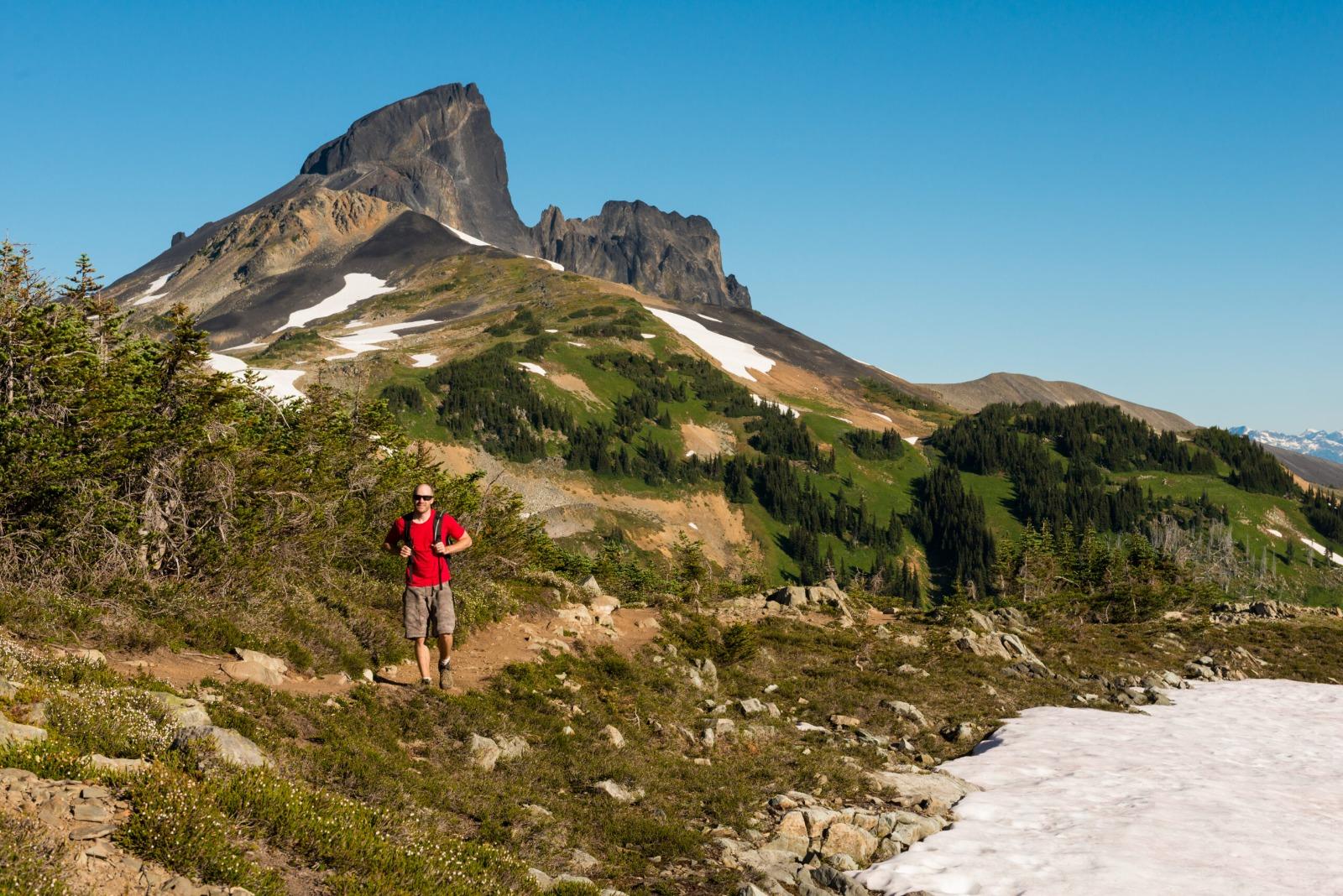
Black Tusk
Challenging
Visible from almost anywhere in Whistler, this challenging hike is for the adventurous. The 29-km return journey offers a rugged trek with steep sections, leading to one of the most spectacular panoramic views in Garibaldi Provincial Park.
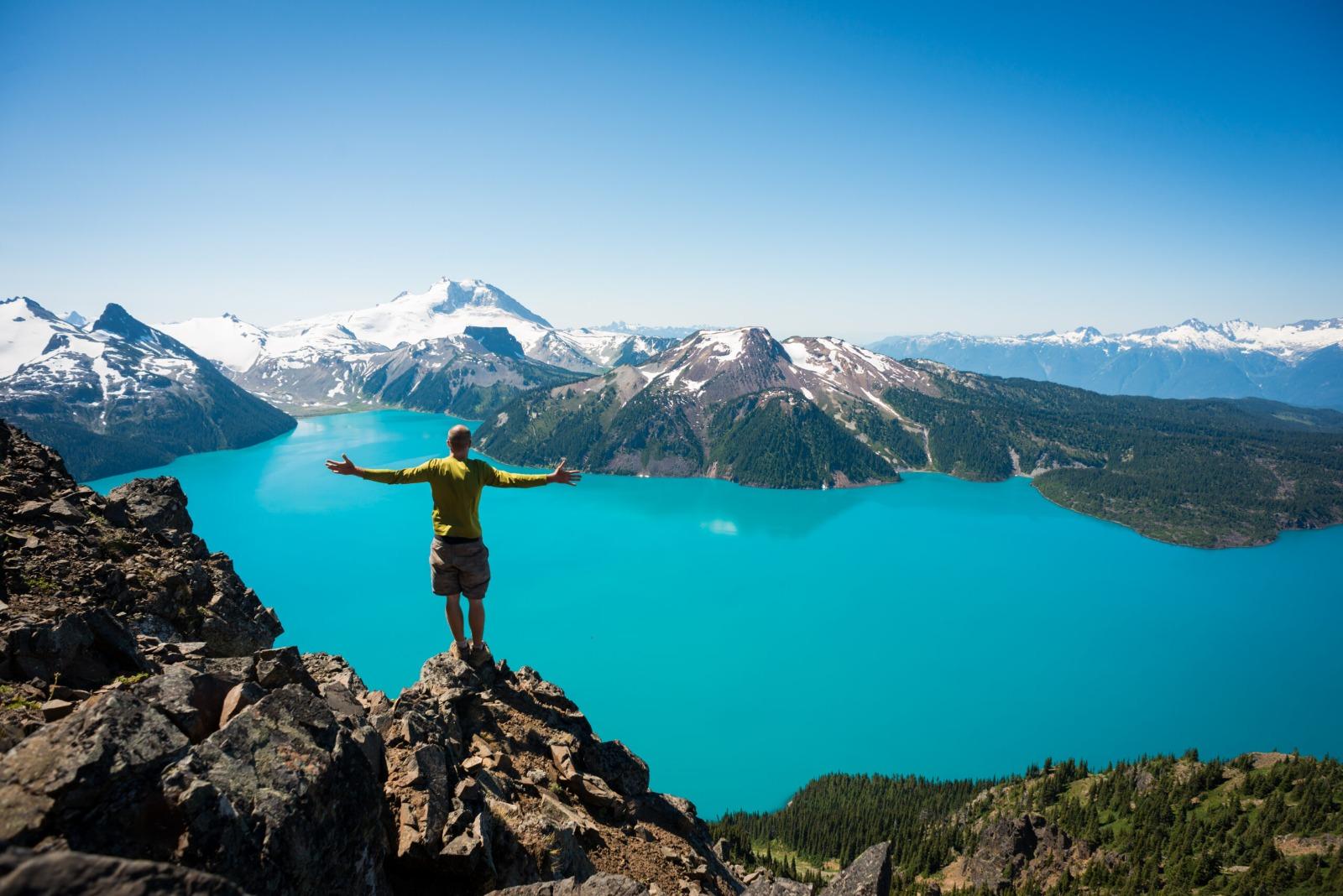
Panorama Ridge
Challenging
Known for its breathtaking views over Garibaldi Lake, the Ridge provides a challenging but rewarding 30-km round trip. Hikers trek through beautiful meadows and past volcanic rocks before reaching the summit, where the landscape unfolds in an array of dramatic peaks and valleys.
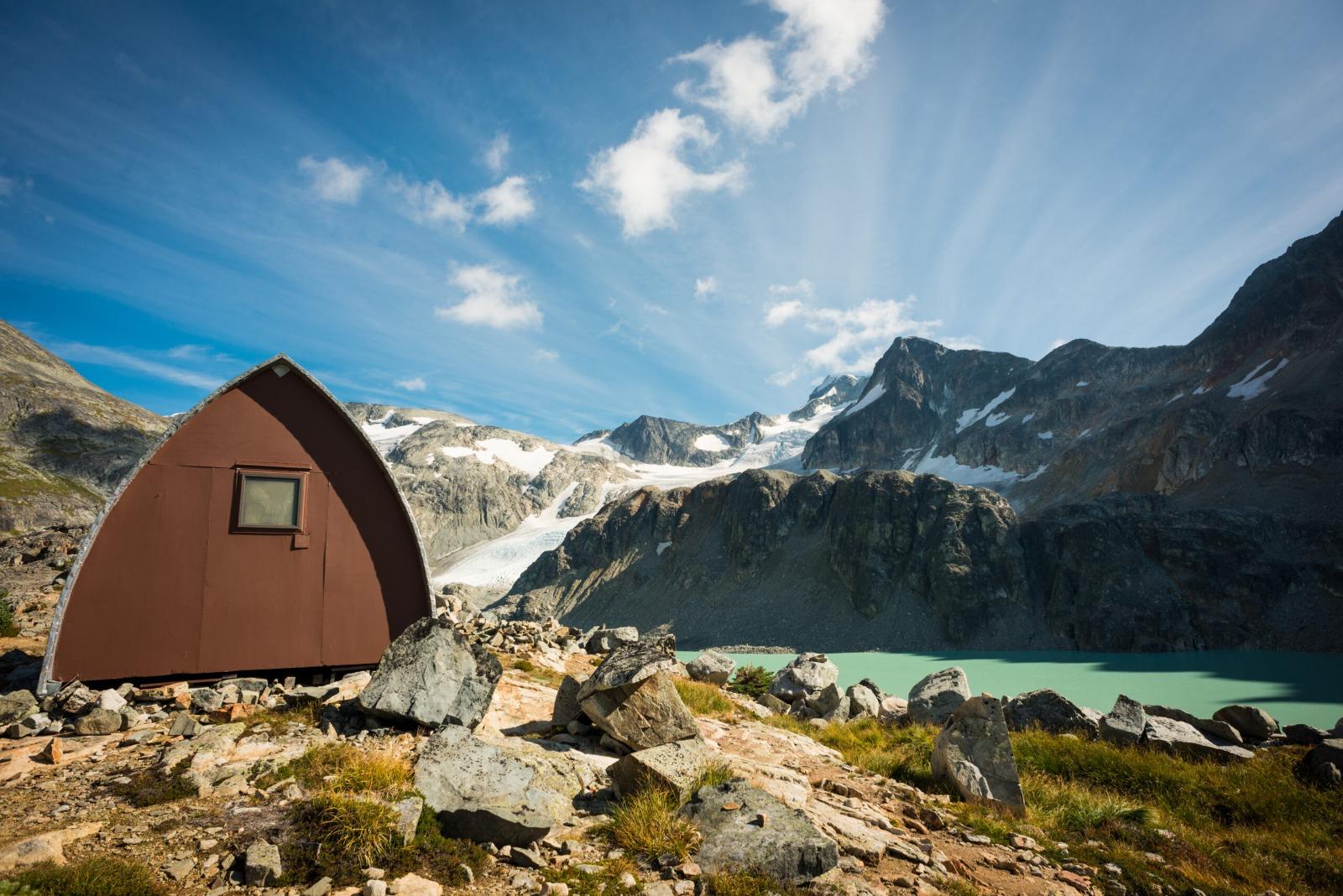
Wedgemount Lake Trail
Challenging
One of the most strenuous day hikes near Whistler but also one of the most rewarding. The trail climbs steeply to gain over 1,200 meters in just about 7 kilometres, leading to the stunningly beautiful Wedgemount Lake. The lake sits in a dramatic alpine setting beneath Wedge Mountain, the highest peak in Garibaldi Provincial Park.
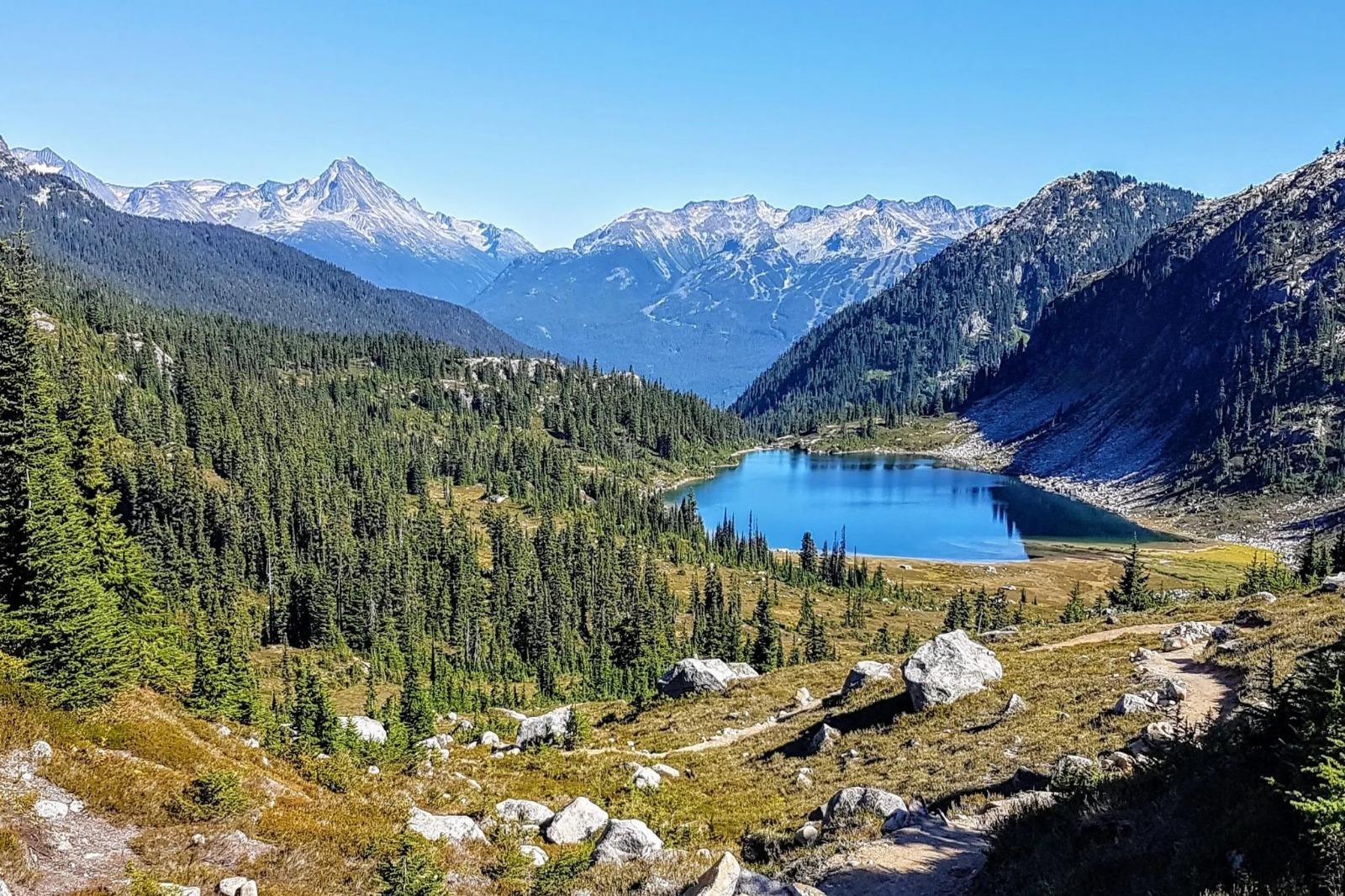
Rainbow Lake Trail
Challenging
This popular, challenging hike offers a mix of natural beauty and conservation importance, as it serves as a primary source of Whistler’s drinking water. The 16-km round-trip hike features forested paths, open meadows, and several stream crossings, leading up to the pristine Rainbow Lake.
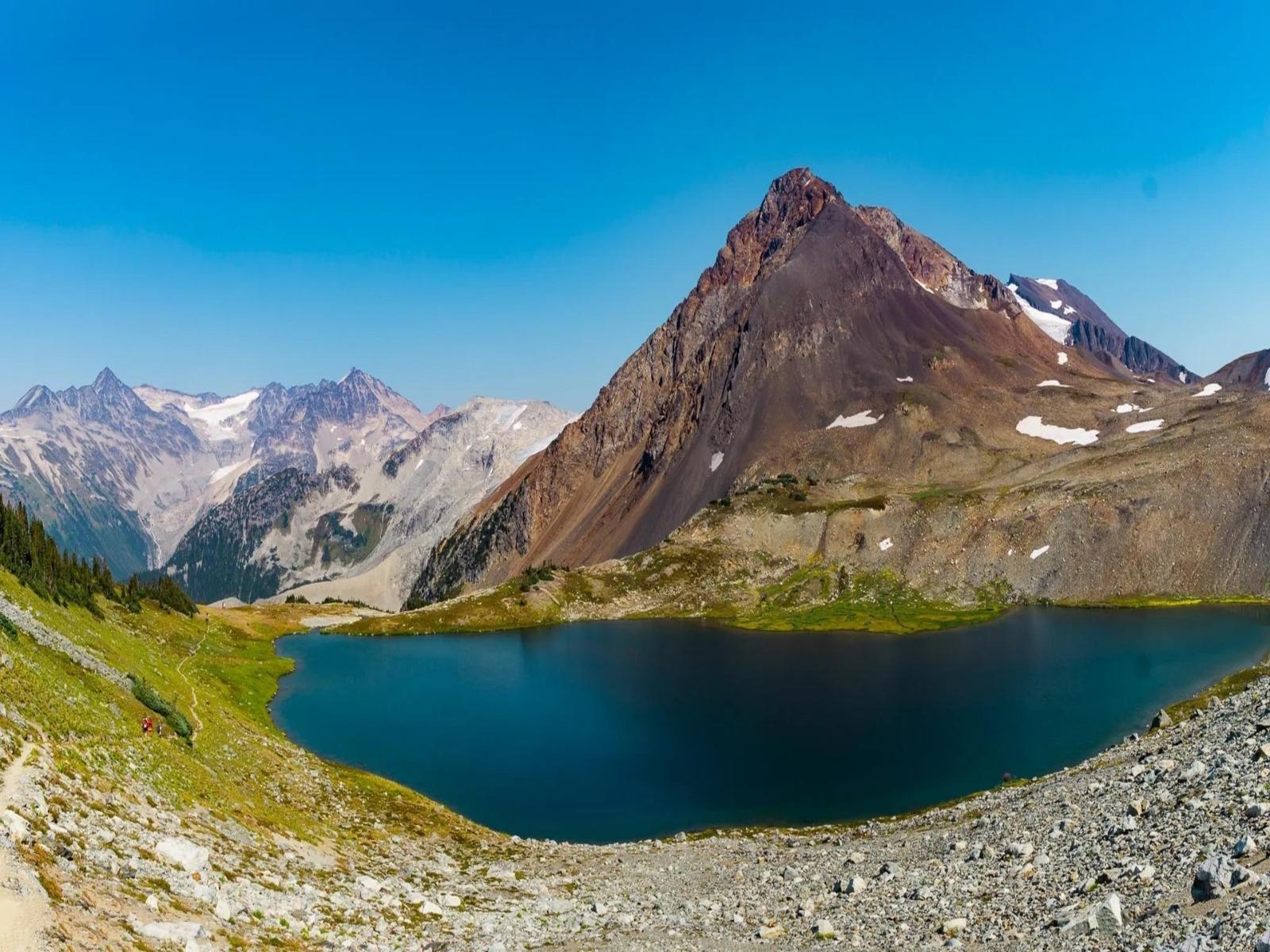
Russet Lake Trail
Challenging
Located in the scenic Fitzsimmons Range between Whistler and Blackcomb Mountains, Russet Lake Trail covers around 18 km round-trip through varied terrain, including alpine meadows and rugged mountain paths. The trail offers spectacular views of the Overlord Glacier and the surrounding peaks.
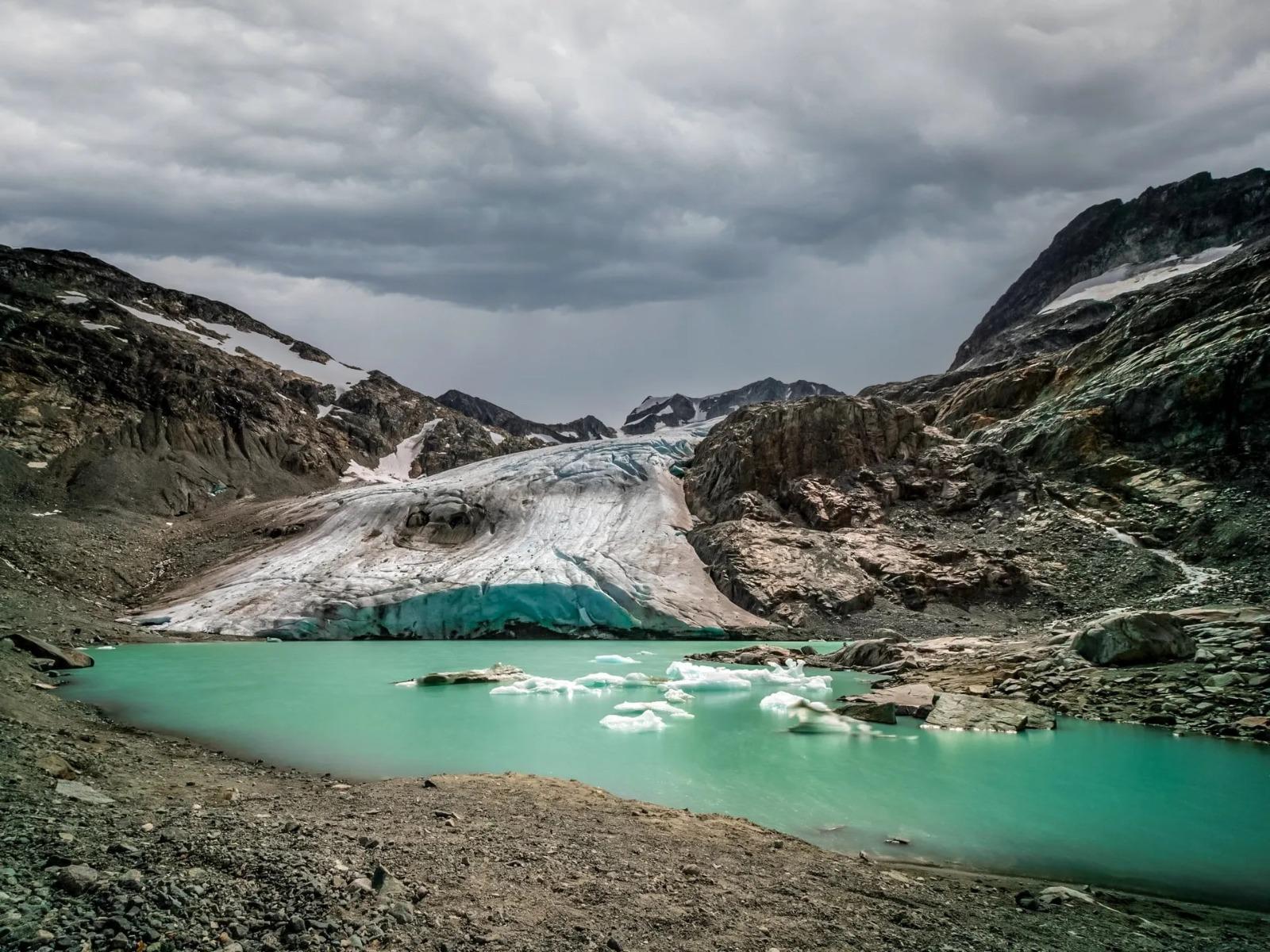
Iceberg Lake Trail
Challenging
Located near Whistler, the Iceberg Lake Trail follows a picturesque route along 19 Mile Creek, leading through forested paths and a vibrant meadow beneath Rainbow Glacier. Covering a challenging route that includes a boulder field, the trail ascends to the stunning Iceberg Lake beside Rainbow Mountain. This hike spans approximately 18 km round-trip, offering unparalleled views of the surrounding alpine landscape.
Unique Hikes
Whistler Train Wreck Trail
Unique
A less conventional hike that combines nature with a touch of intriguing history. This trail leads to a train wreck from the 1950s, where several boxcars are scattered through the forest, now vibrantly decorated with graffiti art.
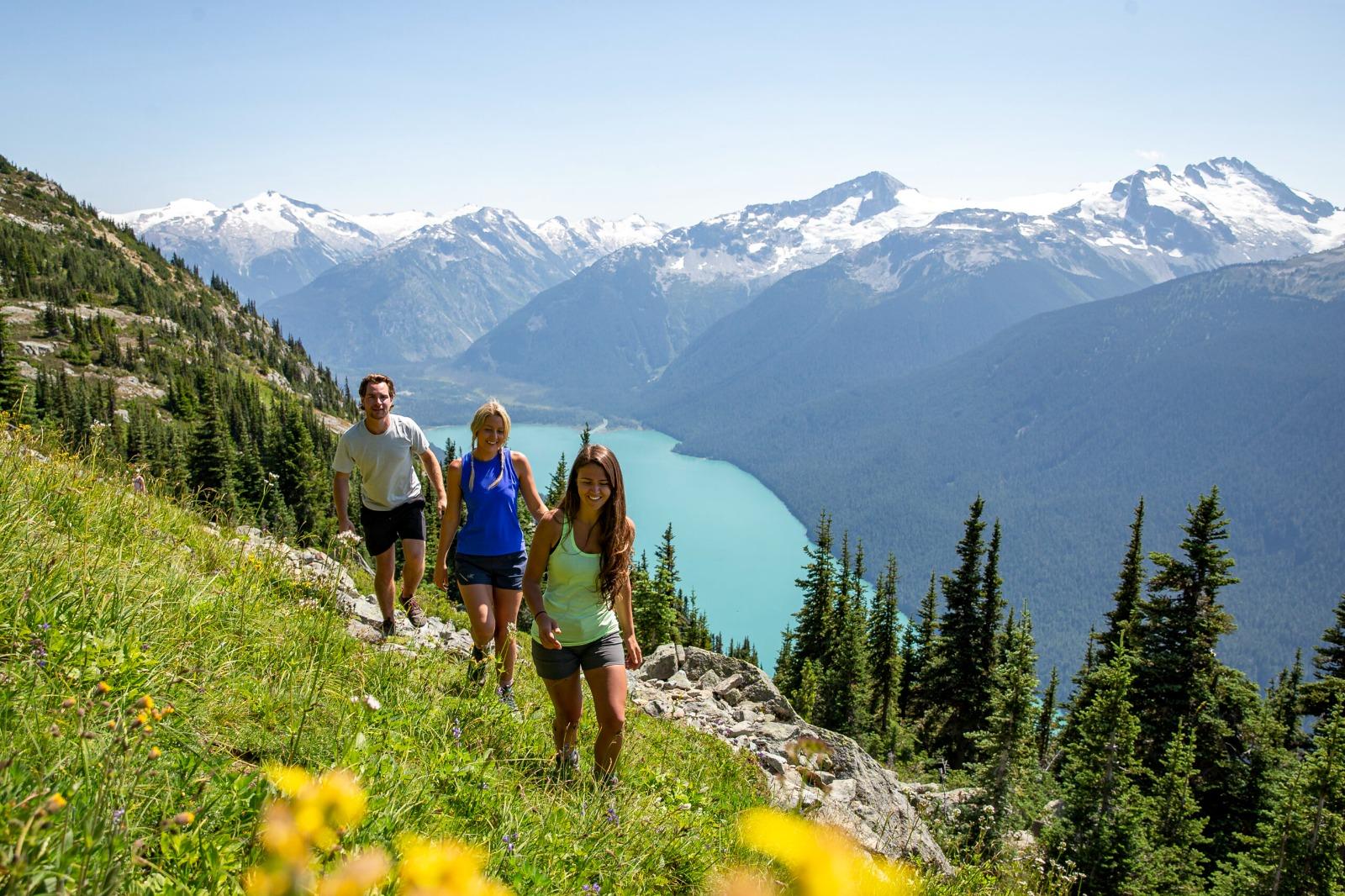
High Note Trail
Unique
Starting from the top of the Whistler Gondola, this trail offers sweeping views of Cheakamus Lake and the surrounding mountains. It’s a must-do for those who enjoy alpine scenery and don’t mind a bit of a drive up to the starting point.
Whistler Interpretive Forest
Unique
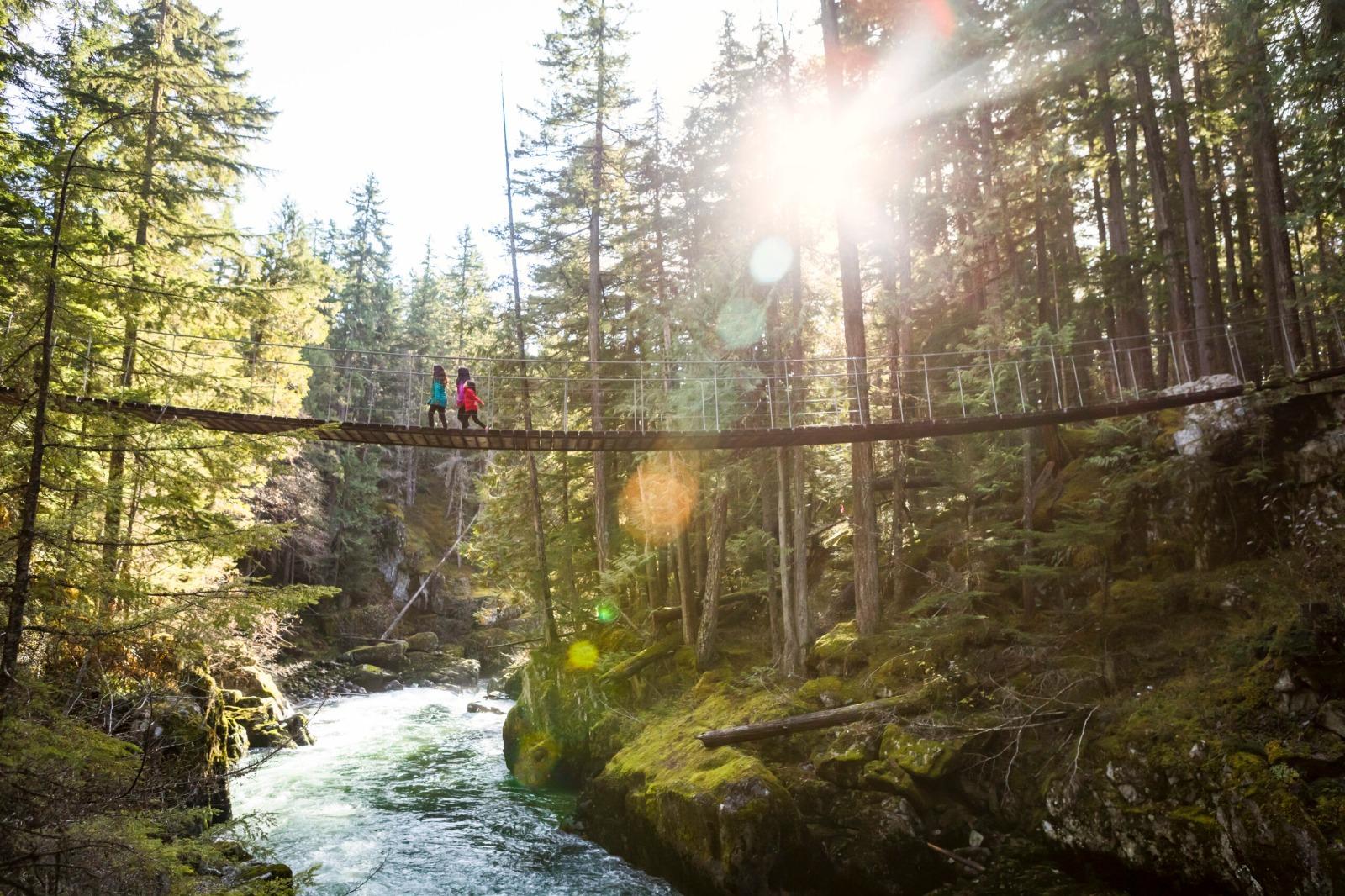
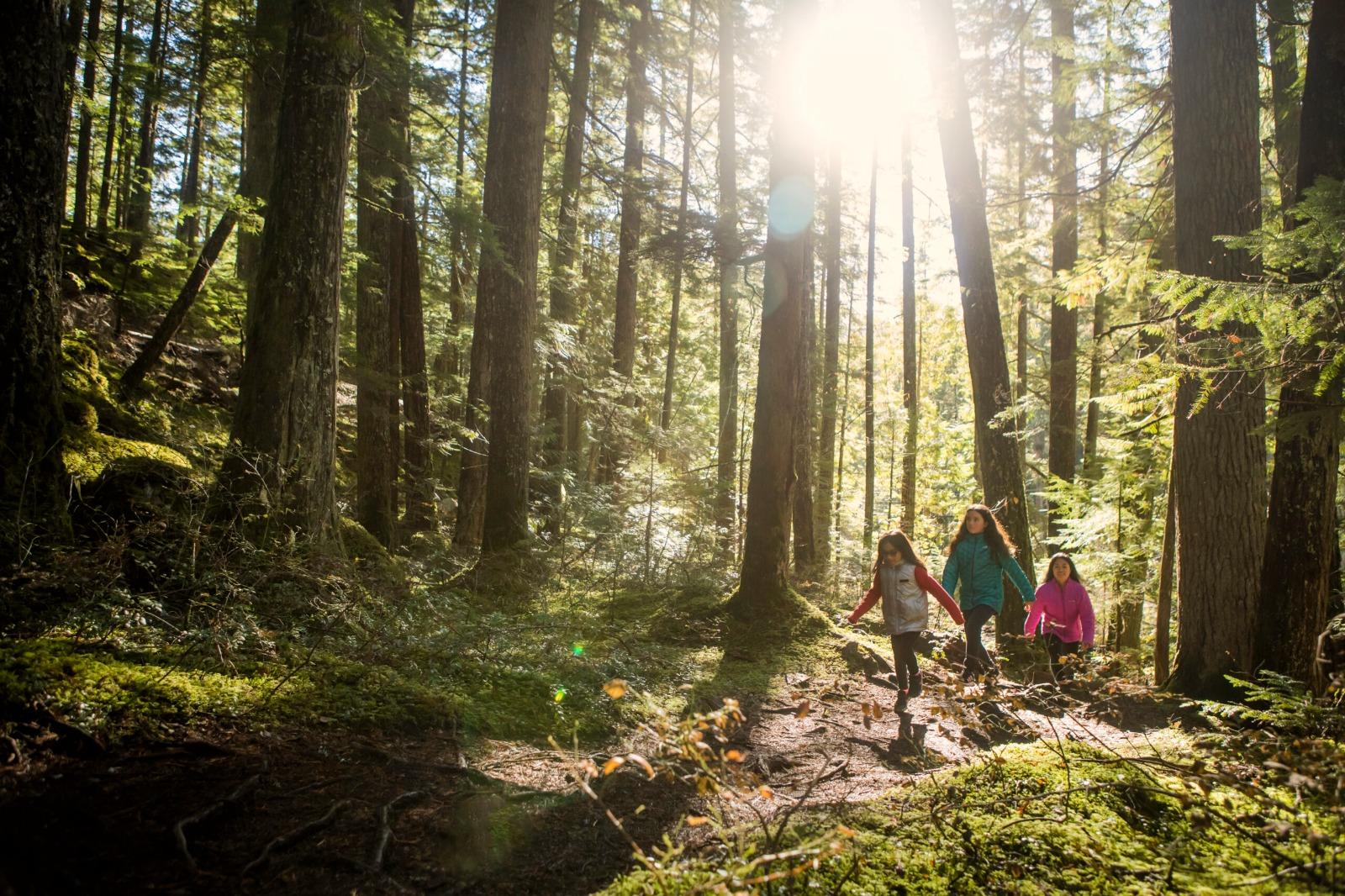
Just south of Whistler Village, informative trails educate visitors on local ecology and forestry practices. Ideal for hiking or biking, it offers scenic views, a suspension bridge over the Cheakamus River, and a tranquil setting perfect for learning about the natural environment.
Each trail offers distinct experiences and spectacular views, ensuring that every hiker finds something to match their ability and interests. Proximity to various Whistler accommodations ensures that after a day of trekking, comfort and relaxation are just a short journey away.
Best Seasons for Hiking in Whistler: When to Visit
Optimal Hiking Times
The ideal months for hiking in Whistler are from late May through Early October. During these months, the trails are usually snow-free, especially at higher elevations, and the weather is favourable, with mild to warm temperatures during the day.
Wildlife and Safety
Whistler’s wilderness is home to a variety of wildlife, including bears, cougars, and deer. While wildlife encounters can be a thrilling part of the hiking experience, safety is obviously your number one priority:
Planning Your Visit
Once you’ve booked your cozy cabin, visitors are encouraged to check the condition of trails prior to their hike, especially in transitional seasons like spring and fall, when some paths may still be impacted by snow or mud. The Whistler website and local ranger stations are excellent resources for the latest trail information.
Top Hiking Tips: What to Pack for Whistler Trails
Preparing adequately for a hike in Whistler is key to a successful and enjoyable adventure. Here’s a comprehensive checklist of essential items tailored to the varying conditions of Whistler’s trails:
Essential Packing List
Emergency Shelter: A lightweight bivvy or space blanket can be a lifesaver if you are caught out overnight unexpectedly.
Permits and Fees
When planning hikes in and around Whistler, it’s crucial to be aware of any necessary permits, fees, or regulations that might apply, especially in provincial parks and certain protected areas. Being well-prepared with the necessary permits and knowledge of fees allows you to focus more on enjoying Whistler’s breathtaking natural environment and less on navigating last-minute logistical challenges. Here’s what you need to know:
General Hiking Permits and Fees
Booking and Advance Reservations
It is often necessary to book backcountry campsites and secure day-use permits well in advance, particularly for popular summer destinations like Garibaldi Park. This can be done online through the BC Parks or other relevant park management websites.
Regulations and Guidelines
Specific trails may have rules regarding trail use, including restrictions on pets, fire regulations, and guidelines for waste disposal. Always check the latest information before heading out to ensure compliance with local regulations.
For the safety of both wildlife and hikers, some areas might also restrict access during certain times of the year, such as during sensitive wildlife breeding seasons or due to adverse weather conditions.
Accurate, up-to-date information regarding permits, fees, and regulations can typically be found on official provincial park websites, local government websites, or through the Whistler visitor information center.
Following these regulations helps preserve the natural beauty and sustainability of Whistler’s outdoor spaces, ensuring that they remain vibrant and accessible for future generations. Non-compliance can lead to hefty fines and diminished trail conditions.
Other Outdoor Adventures in Whistler
Whistler is not only a premier destination for hiking but also a hub for various other thrilling outdoor activities. Whether you’re looking for high-adrenaline adventures or more relaxed experiences, Whistler has something to offer every type of outdoor enthusiast.
Mountain Biking
Rock Climbing
Zip-Lining
Water Sports
Golfing
These activities can serve as perfect complements to hiking, allowing visitors to experience the full breadth of adventure that Whistler offers.
Whistler Travel Guide: Getting Here and Finding the Perfect Stay
Getting to Whistler
Whistler is accessible by various modes of transportation, making it easy to reach this stunning outdoor paradise.
How To Get to Whistler From Vancouver International Airport
Finding the Perfect Stay: A wide range of accommodations in Whistler
Whistler offers a diverse range of accommodations to suit various budgets, though it’s important to note that prices can be on the higher side, particularly during peak seasons. Booking early is indeed crucial to secure the best rates and availability.
Hotels and Resorts: Whistler is home to several world-class hotels and resorts offering luxurious amenities, including spa services, gourmet dining, and ski-in, ski-out access. While these options provide top-notch experiences, they can be quite pricey, especially in high season. Look for package deals or book well in advance to get better rates.
Cabins and Condos: Renting a cabin or condo can be a cost-effective option, especially for groups or families who can share the costs. Many of these rentals come with full kitchens, saving guests money by cooking their own meals. Prices vary, with more secluded or upscale properties commanding higher rates, but overall, they can offer good value relative to hotels.
Hostels and B&Bs: Hostels and bed and breakfasts are the most affordable options for budget-conscious travellers. These accommodations typically provide basic amenities and a friendly, communal atmosphere at a fraction of the cost of hotels. It’s a viable choice for solo travellers or those looking to stretch their dollars further.
Booking Your Stay in Whistler, BC
When booking your accommodation, consider your activities and their locations. Staying in Whistler Village is convenient for those who want quick access to the mountains, shops, and restaurants, while quieter, more secluded options are available slightly outside the main village.
Whistler’s natural beauty and extensive trail network make it a premier destination for hikers and outdoor enthusiasts alike. From easy walks along the Valley Trail to challenging climbs up to Black Tusk, there’s something for everyone in this beautiful part of British Columbia.
After a day of adventure, our welcoming accommodations in Whistler offer the perfect place to relax and rejuvenate. Whether you’re seeking solitude in a cozy cabin or the vibrant atmosphere of Whistler Village, this mountain town is ready to make your stay unforgettable.
Frequently Asked Questions
Are hiking trails in Whistler difficult?
The trails vary significantly, from gentle, family-friendly walks to strenuous hikes intended for experienced adventurers. Detailed descriptions and maps can help you choose the right trail for your ability and interests.
Are dogs allowed on trails in Whistler?
Many trails in Whistler are dog-friendly, allowing you to bring your furry friend along. However, some areas, especially those within protected parks, may have restrictions. Always check the specific trail guidelines before you go.
Which trails in Whistler are best for families with children?
The Whistler Train Wreck and the Lost Lake Nature Trail are excellent choices for families, offering easy terrain and plenty of beautiful scenery. These trails also have access points close to amenities, making them convenient for shorter outings.
How can I find and book accommodations near hiking trails in Whistler?
You can find accommodations near hiking trails by booking with Outpost Whistler!
From scenic hikes and mountain biking to dining, cultural experiences and cosy spa days, discover the best things to do in Whistler this fall....
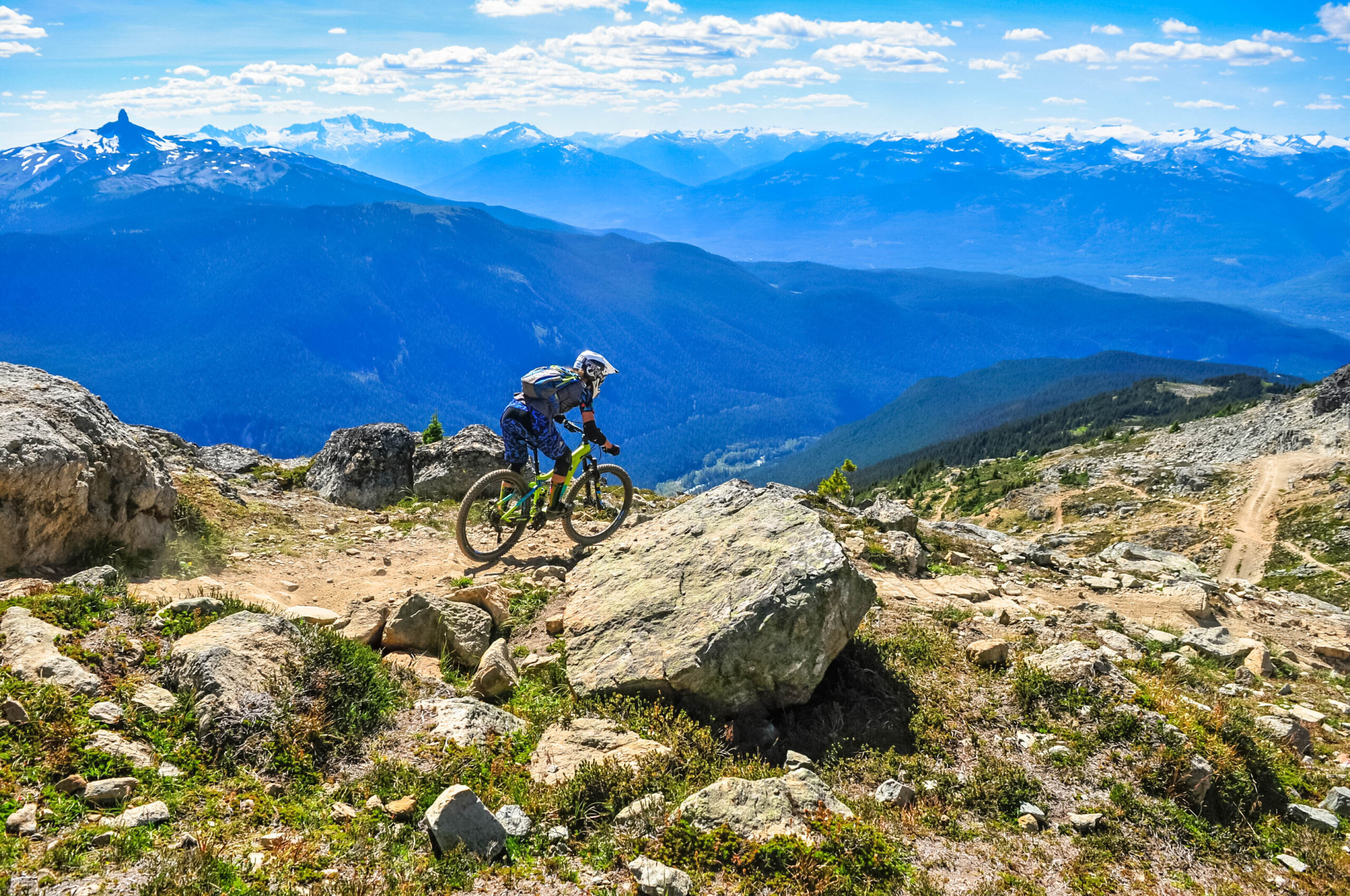
Whistler is a haven for mountain bikers in the spring and summer months. When summer takes hold, the alpine village transforms into a vibrant biking mecca and draws riders from across the globe. This is due to the extensive network of trails, heart-pounding...
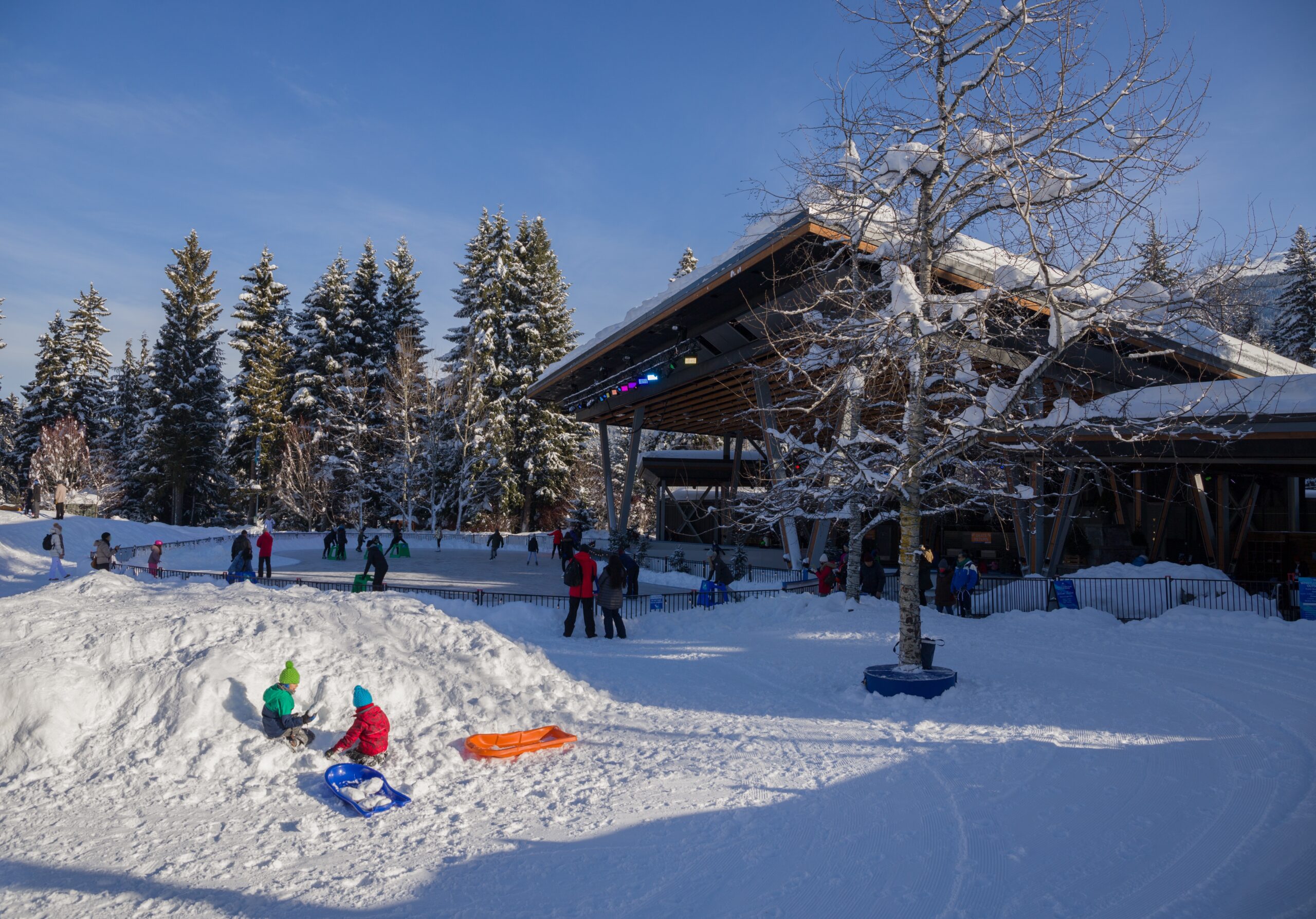
Whistler, BC, is one of the top destinations in North America. If you’re visiting in winter for skiing and snowboarding or in summer for hiking and mountain biking, Whistler offers plenty of adventures for families of all ages. Why not imagine staying in a...

From $352.00 CAD / night
From $116.00 CAD / night
From $156.00 CAD / night
From $116.00 CAD / night
From $201.00 CAD / night
From $121.00 CAD / night


